Want to bring your goals to life in a fun and visual way?
This guide on how to create a vision board walks you through everything you need to know—from getting clear on your desires to assembling your board and activating it with intention.
You’ll discover tools, tips, and techniques to make your vision board a powerful part of your manifestation journey.
Table of Contents
What Is a Vision Board and How Does It Work?
A vision board is a collection of images, words, and symbols that represent your goals and dreams.
It is a creative tool that visually reflects what you want to attract into your life.
However, it is more than just a collage, as it works through key manifestation principles.
Vision boards support these principles by:
- Providing consistent visual reminders of your intentions
- Training your mind to notice opportunities aligned with your goals
- Helping you maintain the emotional state of already having what you desire
This combination of visualization and emotion strengthens your focus and aligns your mindset and energy with your goals.
Consistent engagement helps reinforce the inner state needed to attract your desired reality.
Benefits of Creating a Vision Board
Vision boards are powerful tools for applying the Law of Attraction, which suggests that your thoughts, feelings, and beliefs influence the experiences and opportunities you attract into your life.
Here’s how they support the manifestation process:
- Focused attention: They keep your mind centered on what you want, not what you fear or lack.
- Clarity: Creating one helps you get clear on what you truly want.
- Emotional alignment: Viewing your board can evoke positive emotions that help reinforce your desired state.
- Subconscious reprogramming: Regularly viewing your vision board helps reprogram your mind by reinforcing images and other elements related to your goals.
- Expectation setting: They help strengthen a sense of expectation and openness toward your goals.
- Consistency: A vision board keeps your intentions visible and supports regular focus on your goals.
Overall, vision boards help you stay focused, intentional, and aligned with your goals throughout your manifestation journey.
What to Include in a Vision Board
You can include a wide range of elements in your vision board, depending on your goals.
For a truly powerful manifestation board, consider incorporating a variety of visuals, words, and symbols:
- Photos and cutouts: From magazines, printed from online sources, or your own photographs
- Quotes and affirmations: Inspiring words that resonate with your vision
- Symbols: Universal or personal symbols that represent your desires
- Your own creations: Handwritten notes, drawings, or doodles
- Color psychology: Intentional use of colors that evoke certain emotions
Examples of what to include in your board for different types of goals:
1. Career and Financial Abundance
- Images of your dream job or workplace
- Symbols of financial freedom (paid-off debt notices, investment accounts)
- Income goals represented visually
- Awards or recognition in your field
2. Health and Wellness
- Images representing your ideal fitness level
- Healthy foods and meal inspiration
- Meditation or wellness retreat settings
- Numbers representing health metrics (weight, blood pressure, etc.)
3. Love and Relationships
- Qualities of your ideal partner or relationship dynamic
- Family scenarios you wish to create
- Friends and community connections
- Self-love reminders and practices
4. Spiritual Growth and Personal Development
- Books you want to read or courses to take
- Spiritual practices or rituals
- Symbols of inner peace and enlightenment
- Personal growth milestones
5. Travel and Lifestyle Desires
- Destinations you want to visit
- Your dream home or living environment
- Vehicles or transportation methods
- Daily routines and lifestyle elements
The key is choosing elements that generate strong positive emotions when you look at them.
If an image doesn’t excite you or feel aligned, leave it out.
Supplies You Need To Create Your Board
Gathering the right supplies before you begin makes the creation process more enjoyable and effective.
1. For Physical Vision Boards
- Base: Poster board, corkboard, canvas, or even a wall in your home
- Visuals: Magazines, printed images, photographs, postcards
- Adhesives: Glue sticks, tape, pushpins (for corkboards), or mounting putty
- Decorative elements: Markers, colored pens, washi tape, stickers, glitter, ribbons
- Tools: Scissors, ruler, pencil for planning
2. For Digital Vision Boards
- Platform options: Canva’s free vision board maker or the PicCollage app
- Image sources: Stock photo sites, digital art
- Organization: Folders for saving potential images before finalizing
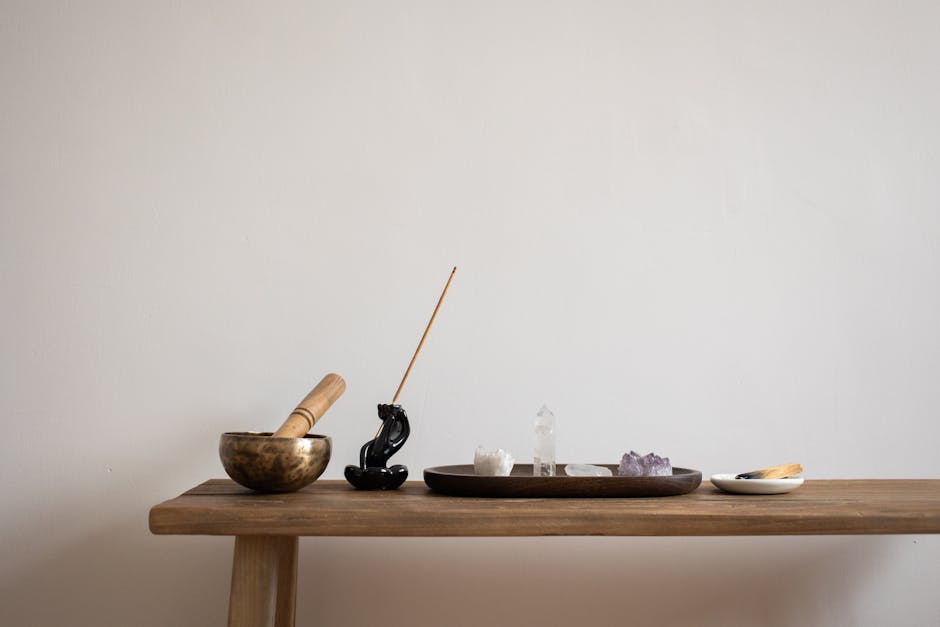
3. Optional Spiritual Enhancements
- Crystals: Place manifestation-boosting crystals like clear quartz, citrine, or green aventurine nearby
- Essential oils: Use abundance blends or oils like cinnamon, orange, or frankincense while creating
- Incense or sage: For clearing the energy of your space before and after creation
How to Create a Vision Board: Step-by-Step Guide

Step 1: Get Clear on Your Desires
Before gathering images, take time to reflect and get clear on what you truly want.
Journal on:
- What do I want to experience?
- How do I want to feel each day?
- What would my ideal life look like in key areas (work, relationships, health, etc.)?
Focus on the feelings behind your desires—like peace, freedom, or joy—not just the physical things.
Be specific, but stay open to possibilities.
The universe may surprise you with something even better than you imagined.
Step 2: Gather Your Materials
The next step is to start collecting images and materials.
Choose the format that feels best for you, whether physical or digital, and set aside focused time to gather visuals from magazines, Pinterest, or free sites like Unsplash.
Collect more than you think you’ll need—having extra options allows you to select the most meaningful ones later.
Don’t limit yourself to the obvious; abstract images that capture the feeling behind your desires can often be even more powerful than literal representations.
Step 3: Set the Mood with Intention
Treat the creation as a sacred practice by intentionally preparing your environment.
Begin by clearing clutter and removing distractions so you can focus fully.
Take time to meditate and reflect on your desires before starting, even if it’s just a short mindfulness session to center yourself.
As you begin, set a clear intention by saying aloud, “I create this vision board with joy and certainty. I am open to receiving these desires or something even better.”
Approaching the process with calm focus and positive energy helps align your mind and heart with the visions you are manifesting.
Step 4: Start Assembling Your Vision Board
Now comes the fun, creative part!
As you begin putting your vision board together, keep these key practices in mind:
- Plan your layout: Center your top goal or organize by life areas or timelines—whatever feels right to you.
- Follow your intuition: Let your feelings guide the placement. Do the images spark joy or inspiration together?
- Make it personal: Add affirmations, colors, or symbols that hold meaning for you.
- Feel it as you create: Connect with the emotions of already living your vision while placing each item.
- Keep it spacious: Avoid clutter by leaving room between elements so your board feels open and inspiring.
Step 5: Activate Your Vision Board
Once it’s complete, give your board energetic power:
- Hold or touch it while visualizing each element as already real in your life
- Speak affirmations aligned with each major desire
- Feel and express gratitude as if everything is already yours
- Place it somewhere visible and easy to access
- Create a daily habit of spending 1–2 minutes emotionally connecting with your board
Physical vs. Digital Vision Boards: Which Is Better?
Both physical and digital boards have unique advantages.
The best choice depends on your lifestyle and personal preferences.
Physical Vision Boards
| Pros | Cons |
|---|---|
| The tactile creation process can be more emotionally engaging | Requires physical materials and space |
| Physically seeing your board in your environment creates consistent reminders | Less portable unless you make a small version |
| The crafting process itself becomes a manifestation ritual | More difficult to update or adjust |
| No technology needed for daily viewing | Limited to available physical images |
Digital Vision Boards
| Pros | Cons |
|---|---|
| Easily updated when goals evolve | May lack the emotional connection of hands-on creation |
| Unlimited access to images online | Easier to forget about among other digital content |
| Can be viewed anywhere on your devices | Screen time required to view your board |
| Can create several boards for different aspects of your life | Potential for distractions when accessing on devices |
| Can be set as wallpaper on your phone or computer for constant viewing |
A powerful approach is to combine both methods.
Create a physical vision board for your space and use a digital version as your phone or desktop wallpaper for daily inspiration on the go.
Tips to Make Your Vision Board More Effective
- Use first-person images so you can picture yourself in the scene, not just watching it.
- Choose sensory-rich visuals that spark imagined sounds, textures, smells, or tastes.
- Add timeline cues like seasons or dates if they motivate you (but don’t feel pressured).
- Pair with other tools: morning visualizations, journaling progress, or meditations.
- Focus on feeling good. Swap out anything that triggers doubt or negativity.
- Stay detached. feel excited, but trust the timing—don’t cling to specific outcomes.
- Take inspired action daily—ask, “What can I do today to move toward this vision?”
- Keep your board fresh. As goals shift or manifest, update it to reflect the new you.
Using Affirmations on Your Vision Board

Affirmations—positive, present-tense statements—significantly enhance effectiveness by providing clear instructions to your subconscious mind.
How to write powerful affirmations:
- Use the present tense as if already experiencing your desire: “I am,” not “I will”
- Stay positive: Focus on what you want, not what you’re trying to avoid
- Include emotion words: “I joyfully experience…”
- Make them believable: If an affirmation feels like a lie, your subconscious will reject it
- Keep them concise: Short and memorable statements work best
Place these affirmations strategically on your board where you’ll naturally read them while viewing related images.
Learn more about how to create and use affirmations here
Enhancing Your Vision Board Ritual with Spiritual Tools
1. Using Crystals
Adding crystals to your vision board can enhance your results.
The key is to choose crystals that resonate with your specific goals and intentions.
Here are some top choices:
- Clear quartz – Strengthens intentions and works for any goal.
- Citrine – Attracts abundance and confidence, great for money goals.
- Green aventurine – Brings luck and new opportunities.
- Rose quartz – Supports love, healing, and self-worth.
- Tiger’s eye – Encourages courage and focus, perfect for career moves.
- Amethyst – Deepens intuition and supports spiritual growth.
Place these crystals on or near your vision board, or hold them while looking at it.
For a comprehensive guide on each crystal’s properties, check the Crystal Vault’s guide to crystals for extensive guidance.
2. Essential Oils for Manifestation
Essential oils can be powerful tools to support your practice.
Their scents influence mood, focus, and energy, helping you align with your desires as you create and use your vision board.
- Cinnamon: Attracts abundance and speeds manifestation
- Bergamot: Uplifts mood and attracts success
- Frankincense: Enhances spiritual connection
- Ylang Ylang: Opens the heart chakra for receiving
You can apply diluted oils to your wrists while viewing your vision board, or use a diffuser during its creation and daily use to enhance focus and intention.
For a comprehensive list of essential oils, you can refer to this blog post on essential oils for manifestation, which explores different oils and their benefits.
Vision Board Examples for Manifestation

Each type of vision board serves a unique purpose, allowing you to focus on specific intentions or take a more holistic approach to your desired future.
Here are some examples for inspiration:
1. General Life Vision Board
This comprehensive board includes elements from all life areas—career, relationships, health, home, personal development, and experiences.
It provides a complete picture of your desired life.
2. Abundance Board
Featuring income goals, debt-free celebrations, investment growth, luxury experiences, and generosity opportunities.
Often uses green and gold colors prominently.
3. Relationship Board
Showing qualities of ideal relationships, romantic scenarios, family connections, and self-love practices.
Usually incorporates heart imagery and warm colors.
4. Dream Home Board
Detailed representation of your ideal living space, including architectural features, room designs, neighborhood characteristics, and the feeling of being in your space.
5. Travel Board
Highlighting dream destinations, travel experiences, cultural adventures, and lifestyle moments.
It often includes places you want to visit, activities you want to try, and the feelings associated with exploration and freedom.
How Often Should You Update Your Vision Board?
Vision boards aren’t static tools—they should evolve as you do.
Consider these approaches to updating:
1. Regular Review Cycles
- Reflect at the end of each month to see if your board still resonates
- Reflect at the start of each new season
- Consider creating a brand-new one at the start of each year
2. Situational Updates
- When you achieve your goals
- When your desires change
- After major life changes
3. Signs It’s Time for an Update
- The board no longer excites you when you look at it
- You’ve manifested significant portions of your board
- Your goals have substantially evolved
What to Do After Creating a Vision Board
Creating your vision board is just the beginning of your manifestation journey.
These practices can help bring your vision to life alongside your vision board:
1. Practice Strategic Detachment
Although it may seem counterintuitive, becoming too attached to specific outcomes can actually block manifestation.
After creating your vision board, trust that the universe knows the best way to bring your desires to you.
Focus on the essence of what you want rather than the exact form, and stay open to unexpected opportunities that may arise along the way.
2. Align Your Actions
Vision boards work best when paired with consistent and aligned action.
Set small daily intentions related to your vision, and follow intuitive nudges that guide you to take specific and meaningful steps toward your goals.
3. Celebrate Signs and Synchronicities
Manifestation often begins with subtle indicators.
Notice related conversations, experiences, or opportunities that seem to appear unexpectedly.
Express gratitude for these signs, as this reinforces the manifestation process and keeps you aligned with your desires.
4. Journal Your Manifestation Journey
To deepen your connection with your vision board, record any insights that arise while viewing it.
Document small manifestations related to your goals, note emotional shifts as you work with your board over time, and track inspired actions you’ve taken toward bringing your vision to life.
5. Combine with Other Manifestation Practices
Enhance your vision board’s power by pairing it with other manifestation practices.
Try daily visualization, meditation, or other supportive practices to align your mindset and energy with your goals.
These practices help strengthen your results and create a powerful record of your manifestation journey, building confidence in your future desires.
Frequently Asked Questions
1. How do vision boards work for manifestation?
They work by combining visualization, mindset focus, and manifestation principles such as inner alignment.
Their effectiveness comes from consistent engagement, emotional connection, and subconscious reprogramming.
2. How often should I look at my vision board?
Ideally, view it daily—morning and night—when your mind is most open and receptive.
Even a short, focused moment with strong emotion is more powerful than frequent distracted viewing.
3. Can I make a vision board without magazines?
While magazines are traditional, there are many effective alternatives you can use:
- Printed images from websites or personal photos
- Hand-drawn images, symbols, or sketches
- Digital boards created using apps or online tools
- Words and quotes that strongly resonate with you
- Textures or natural elements that carry meaning
What matters most is not the medium, but how strongly the images or items connect you emotionally to your goals.
4. What if I change my mind about my goals?
This is completely normal and often part of personal growth.
You can create a new vision board, update sections of your existing one, or design separate themed boards for different areas of your life.
Many people also choose to refresh their boards during meaningful times such as new moons or birthdays to realign their intentions.
Key Takeaways
To summarize the essential points about creating a vision board, here are the most important ideas to remember:
- Focus and alignment: Vision boards work by directing your attention, aligning your emotions, and influencing your subconscious mind to support your goals.
- Emotional connection: Effective boards include meaningful images, words, and symbols that naturally evoke strong positive emotions when viewed.
- Intentional creation: The creation process is just as important as the result, and it should be approached with presence and intention.
- Consistency: Daily connection with your vision board strengthens its impact and reinforces your desired mindset over time.
- Inspired action: Visualization becomes more powerful when paired with aligned and intentional action in your daily life.
- Trust and patience: Trust the timing of your goals while maintaining a positive, open, and patient mindset.
- Evolving practice: Your vision board should evolve with you and be updated whenever it no longer feels aligned with your direction.
When created with intention and used consistently, vision boards act as energetic reminders of your desires, helping align your mindset and focus with the reality you want to create.
Explore Further Topics
Explore additional insights and deep-dive topics to expand your knowledge:
- How to Use Visualization to Manifest: A Beginner’s Guide
- How to Apply the Law of Assumption: A Beginner’s Guide
- How to Apply Manifestation Journaling (with Key Methods)
- Practical Manifestation Tools to Support Your Practice
Final Thoughts
A vision board is more than just a collection of images—it is a powerful tool to reconnect with your deepest desires, strengthen motivation, and align your mind with your goals.
It serves as a daily reminder that you are the conscious creator of your reality.
The true power lies not only in attracting what you want, but in shifting your energy to match it.
Trust the process—your dream life already exists, and you are simply aligning yourself with it.

Agan is passionate about personal development, manifestation, and spirituality. He has completed several online courses in these areas, including a Law of Attraction Coach Certification, as well as another coaching certification program. He also enjoys using products and resources in these areas.